
The back room or small room – the living room of a three-room country house, its size is small compared to the floor area of the house, yet several generations lived together in this room. Its furnishings are relatively simple, less ostentatious compared to the clean room, representing a mostly peasant material environment. In a way that can be linked to the people of the time, the functional furniture of the back room in village interiors is usually characterized by a diagonal arrangement.
A former unwritten rule was that if a new woman came to the house, the clean room would be furnished with her furniture, and the old furniture would be moved to the back room. The customary law around Gönc was lenient in that it allowed male members of the family to sleep in the house, despite the fact that in the 19th century – in the countryside – adult men primarily slept in farm buildings and stables. It is interesting that the sleeping place of the newlyweds was more than once the unheated sleeping chamber belonging to the house.
The tradition of sleeping while sitting is typical for the older generations in this region. The background of this practice is given by folk beliefs and superstitions. Beds shorter than the current bed size were primarily adapted to the practice of sleeping while sitting, their size is not justified by the assumption that our ancestors would have been shorter than the people of the time.
Sleeping in clothes occurred in the region, as they patrolled the house at night. Despite the small size of the back room, the multi-generational family used the space sensibly, as the elderly sat on the bench, the parents sat on the bed, and where there were several children, the little ones rested in pull-out beds, lying face to face with each other.
In the small room, you can see the table bed made in Gönc, which has unparalleled ethnographic value. The folk boot puller made of wood – the wooden dog – deserves special attention, as it is associated with figurative language. In the past, the heel of the boot was placed between the branches of the tool, which resembled an open mouth, hence the folk expression “laughs like a wooden dog”.
The Hungarian peasant way of life hides many interesting things, it has a rich symbolism, which is often best demonstrated by the material environment.
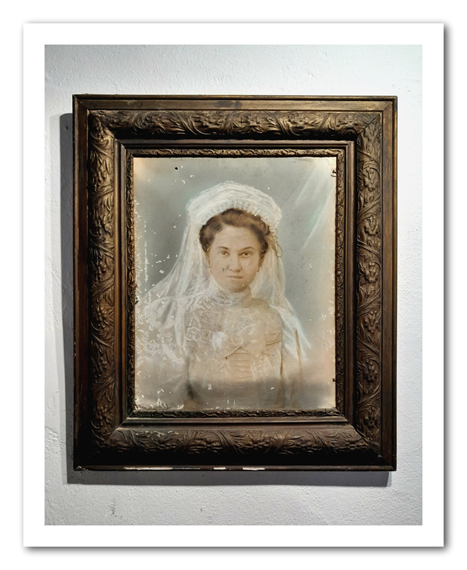
Fiancée of the Hussite House
Museum-grade items
▪ Drawer – bread cabinet, early 19th century
▪ Bench/Arm chest, early 20th century
▪ Raised bed, early 19th century
▪ Stool holder – rod, early 19th century
▪ Table bed, early 19th century
▪ Rammed boots, early 20th century
▪ Wooden dog, early 19th century
▪ Military commemorative plaque – In memory of my service – Leitner M. and Son. Budapest 1917.
▪ Wedding pictures, early 20th century
Views: 0